Getting Started with Your First Vegetable Garden
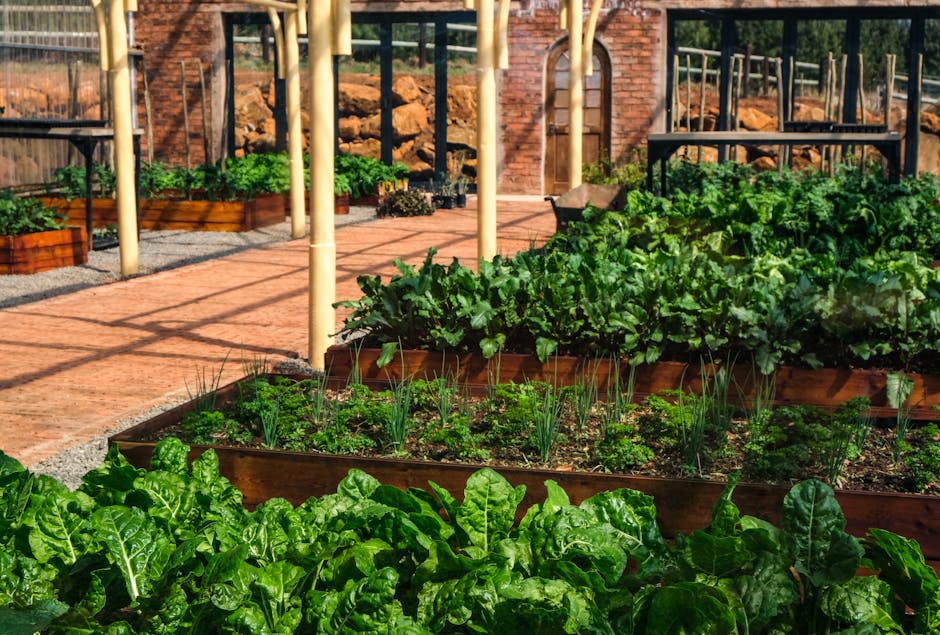
Starting a vegetable garden can feel daunting, but with the right approach, anyone can grow fresh produce at home. The first step is choosing your location. Most vegetables need at least six hours of direct sunlight daily, so look for a spot in your garden that gets good sun exposure throughout the day. South-facing areas are ideal in the UK.
Next, assess your soil. Healthy soil is the foundation of a successful garden. Test your soil's pH and nutrient levels using a simple kit from any garden centre. Most vegetables prefer slightly acidic to neutral soil. If your soil needs improvement, add compost or well-rotted manure in the months before planting.
For beginners, stick with reliable crops that are forgiving and productive:
- Tomatoes – grow well in pots or borders and produce abundantly
- Courgettes – prolific growers that need minimal care
- Lettuce – quick-growing and perfect for salads
- Beans – nitrogen-fixing and satisfying to harvest
- Carrots – hardy and store well
Plan your garden layout carefully. Taller plants like tomatoes should go on the north side so they don't shade shorter plants. Leave enough space between plants for air circulation, which prevents disease. Consider using raised beds if your soil is poor – they warm up faster in spring and are easier to maintain.
Water management is crucial. Most vegetables need consistent moisture, especially during dry spells. Water early in the morning to reduce disease risk, and aim for about an inch of water per week. Mulching around plants helps retain moisture and suppresses weeds.
Don't worry about getting everything perfect first time. Gardening is a learning process, and each season teaches you something new. Keep notes about what works well in your garden, when you planted things, and how they performed. This information becomes invaluable for future seasons.
Start small with just a few crops you genuinely want to eat. A well-tended small garden will produce more than a neglected large one. As you gain confidence and experience, you can expand and try more challenging vegetables. Remember, the best garden is one you enjoy spending time in.